
Top 5 Reasons Your AC System Fails When You Need It Most This Summer
As summer heat sets in, many homeowners rely heavily on their air conditioning systems to provide comfort. Unfortunately, the demand for cooling can reveal underlying issues, leading to unexpected breakdowns. This article delves into the top five reasons your AC system may fail during the hottest months, helping you understand how various factors contribute to these failures while equipping you with the knowledge to prevent them. By examining issues such as dirty air filters, improper system sizing, and maintenance neglect, you’ll learn actionable steps to keep your AC performing efficiently. Additionally, we’ll provide insights into how to avoid breakdowns and highlight the importance of choosing reputable HVAC services.
Why Summer Heat Puts Extreme Strain on Your AC
Summer temperatures can intensely stress air conditioning systems, escalating their risk of failure. The heat increases the workload placed on these units, leading to wear and tear as they run continuously to maintain comfortable indoor temperatures. Understanding how extreme heat affects your AC’s performance is crucial for effective maintenance and can help you plan necessary checks before the peak summer months. Awareness of the implications of this stress can assist you in mitigating risks and ensuring your cooling solution operates smoothly throughout the season.
The Top 5 Reasons for Summer AC Failure
When maintaining your AC system, recognizing common failure points is essential. Let’s explore the top reasons your air conditioning may fail during those scorching summer days:
Dirty Air Filters
Dirty air filters significantly restrict airflow across the evaporator coil, causing your AC unit to work harder than necessary. This lack of airflow can lead to ice forming on the evaporator coil, ultimately risking damage to the system. Regular maintenance, including changing air filters every 1-3 months, is vital for optimal performance and efficiency. Keeping your filters clean helps avoid unnecessary breakdowns and prolongs the lifespan of your air conditioning unit.
Blocked or Closed Vents
Blocked or closed vents can hinder proper air circulation, limiting the system’s ability to cool your home effectively. This restriction not only contributes to overheating but can also lead to uneven cooling throughout different areas of your home. Inspecting vents regularly to ensure they are unobstructed can prevent performance issues and improve overall efficiency.
Improper System Sizing
Installing an air conditioning system that is improperly sized—either too large or too small for your space—can cause numerous issues. Oversized systems typically lead to short cycling, where the unit turns on and off frequently, causing unnecessary wear and inefficiencies. Conversely, undersized units struggle to cool the space effectively, leading to excessive running time and potential breakdowns. Proper system sizing is crucial for maintaining comfort and ensuring longevity.
A key factor to consider regarding system sizing is how it impacts overall efficiency and comfort.
Residential AC Sizing: Efficiency, Humidity, & Comfort
Oversizing air-conditioning equipment results in a loss of efficiency because of increased cycling and also lowers humidity control. On the other hand, the penalty of undersizing air-conditioning equipment may be some loss of comfort during extremely hot weather. Analysis of historical residential air-conditioning equipment sizing using monitored data, 1993
Your Thermostat Is Set Too Low
One of the easiest ways to overwork your AC system is setting the thermostat too low during extreme summer heat. A good rule of thumb is that your system can usually cool your home about 15 to 20 degrees below the outside temperature. When the outdoor temperature is pushing 95 or 100 degrees, asking your AC to hold the house at 65 can put serious strain on the unit.
Instead of cooling faster, the system may run constantly, use more energy and experience unnecessary wear and tear. Over time, that can lead to frozen coils, weak airflow, breakdowns and shorter equipment life. Setting your thermostat at a realistic temperature helps your AC keep up without pushing it past its limits.
Lack of Maintenance
Neglecting regular maintenance is one of the most common culprits behind air conditioning failures. Without scheduled check-ups, systems can accumulate dirt and debris, leading to reduced efficiency and increased breakdown risks. Scheduled maintenance can help identify potential issues early, preventing costly repairs and ensuring your HVAC system performs optimally during hot summer months.
How to Prevent a Summer AC Breakdown
Preventing a summer AC breakdown involves proactive strategies that can save you from the inconvenience of a malfunctioning unit. Here are essential tips for maintaining your air conditioning system:
- Change Air Filters Regularly: Stay on top of changing your air filters every 1-3 months to ensure ample airflow.
- Inspect Outdoor Units: Regularly check that outdoor units are clear of debris to avoid airflow obstruction.
- Schedule Professional Tune-Ups: Having a professional inspect and maintain your system annually can help keep things running smoothly and catch potential issues early.
By implementing these strategies, you can ensure your AC stays healthy throughout the summer.
Why to Choose NW Summit HVAC
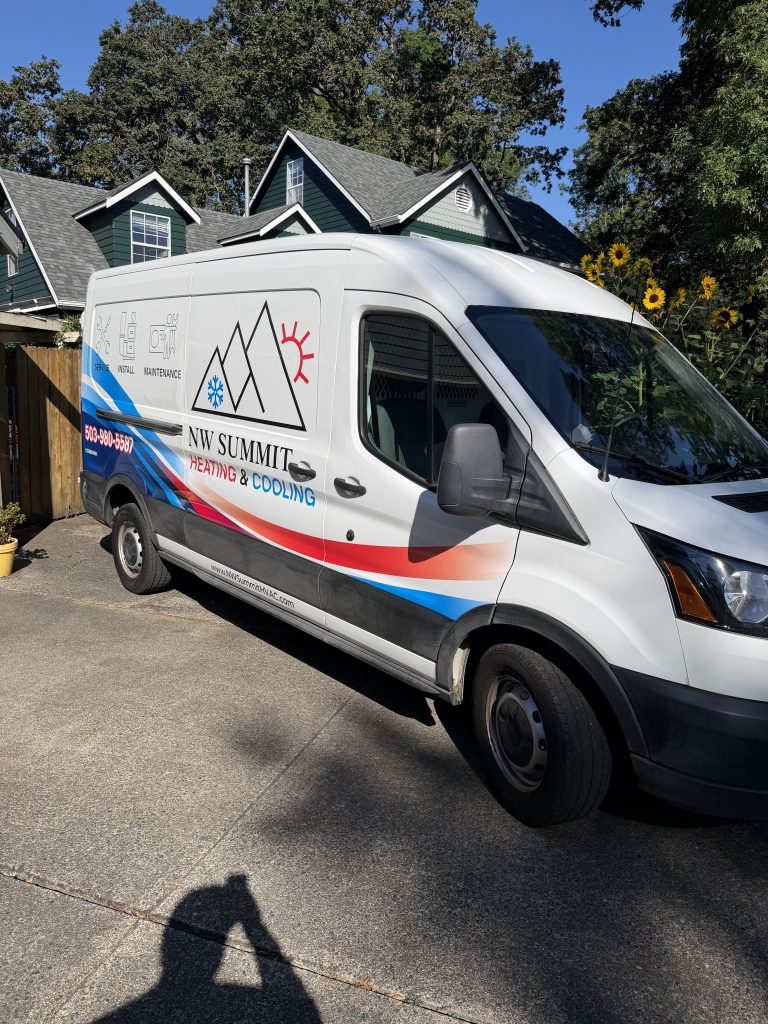
When it comes to maintaining your air conditioning system, selecting a reliable HVAC service provider is crucial. NW Summit HVAC stands out through its experienced technicians who specialize in comprehensive maintenance services. With a deep understanding of common AC problems and a commitment to customer satisfaction, NW Summit HVAC also offers emergency service options to address unexpected failures promptly. Choosing a trusted provider like NW Summit HVAC can give you peace of mind this summer, ensuring your cooling system operates at peak efficiency.